Which Running Watch Suits a First Half Marathon Plan and a Tight Budget
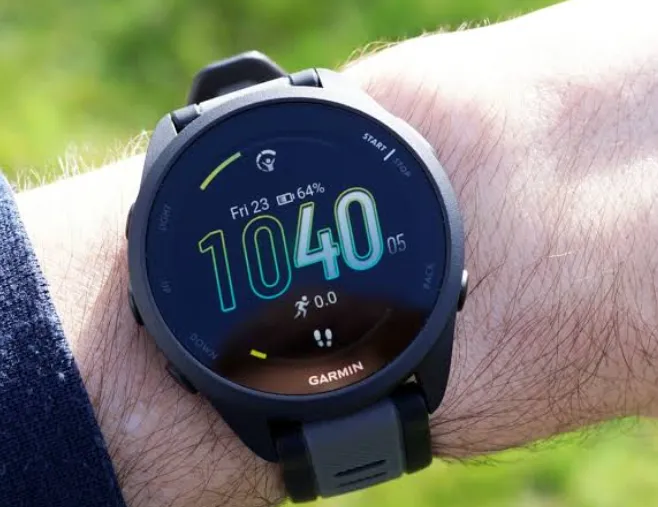
Training for your first half marathon is exciting, yet it quickly raises a practical question about gear. Many new runners in Kenya wonder whether a capable watch must cost a fortune or whether a modest purchase can carry them to the finish line. The answer sits somewhere in the middle. A good running watch should track pace reliably, guide your effort, and survive weeks of sweaty sessions. This guide looks at the Garmin Forerunner 165 and what it offers, then weighs how far extra spending actually helps a beginner.
What a Beginner Really Needs from a Running Watch
A first-time half marathon runner needs fewer features than most product pages suggest. Accurate distance and pace come first, followed by a dependable heart rate sensor, simple workout guidance, and battery life that lasts through a week of training without daily charging. Comfort matters too, because you will wear the watch for hours on long Sunday runs. Smart notifications are pleasant but secondary. Advanced metrics such as recovery advice can help later, yet they rarely decide whether a beginner finishes 21 kilometers strongly. Settle these basics first.
Why an Entry-Level Model Can Carry You Through Training
A lower-priced Forerunner proves that serious training does not require serious spending. It offers a bright AMOLED touchscreen, built-in GPS, wrist heart rate, sleep tracking, and daily suggested workouts that adapt to your fitness. Battery life stretches beyond a week in smartwatch mode, so charging rarely interrupts a training block. The case is light at 43mm, which suits smaller wrists. For a beginner building weekly mileage, these tools cover nearly everything needed. The compromise lies in deeper analysis, which is where more expensive siblings start pulling ahead.
When Better GPS Accuracy Is Worth Paying For
Accuracy becomes a real concern if your long runs pass through tall buildings, tree cover, or hilly roads around Nairobi. The Garmin Forerunner 265 uses dual-band GPS, which tends to hold a cleaner track in those conditions, so distance and pace readings stay steadier. That matters when you are aiming for a specific finish time and trusting every split. Runners who train mostly on open roads may never notice the difference. If your routes are challenging, however, better positioning can remove frustration and make the data more believable.
Training Tools That Separate the Two Models
The bigger gap appears in coaching and analysis. The pricier watch adds Training Load, which helps you balance hard days against recovery, along with on-screen animated workouts. It also supports multisport tracking, useful if triathlon curiosity arrives after your first race. The cheaper model still offers daily suggested workouts and basic recovery guidance, which is plenty for following a structured plan from a club or an online coach. Think about whether you want a watch that merely records runs or one that actively explains how your body is responding.
Comfort, Battery Life, and Everyday Wear
A watch you enjoy wearing gets used more often, and consistency wins half marathons. Both models share AMOLED touchscreens, five buttons, lightweight polycarbonate cases, and sleep tracking, so daily comfort feels remarkably similar. The more expensive option has a slightly larger screen, tougher Gorilla Glass 3 protection, and a little more battery, with up to thirteen days in smartwatch mode. The cheaper one counters with a compact 43mm build that suits many wrists. Neither will leave you charging every night, which is a relief during busy training weeks.
A Simple Way to Match Your Budget to Your Goals
Start with your goal and your monthly reality. If you want a dependable companion for a first race and a casual routine, the lower-priced watch is a smart, confident choice. If you plan structured training blocks, run challenging routes, or might try triathlon, the higher-priced model justifies its premium. Remember that music storage comes only on the Music edition of the cheaper watch, while every pricier unit includes it. Also check whether quoted prices include VAT, since some Kenyan shops quote prices exclusive of VAT. Spend where your running will actually benefit.
Conclusion
Choosing a running watch for your first half marathon comes down to honesty about your needs. The entry-level model gives beginners accurate tracking, comfort, and long battery life at a friendlier price, while the more advanced option rewards runners who want sharper GPS and deeper training insight. Neither choice is wrong, because consistent training matters more than any device. Browse the full Garmin running range at gpsstoreke.com, compare current options, and pick the watch that fits your plan and your wallet before race day arrives.