What Are Psychedelic Shrooms? Benefits, Effects, and How They Work
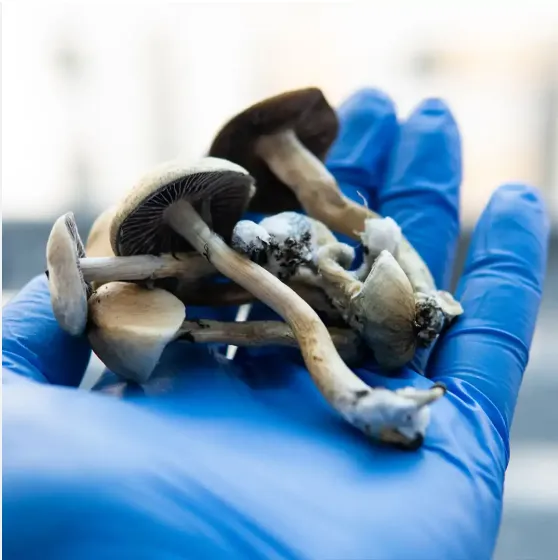
Psychedelic shrooms, commonly known as magic mushrooms, have become one of the most talked-about topics in modern wellness, neuroscience, and psychedelic research. Once primarily associated with indigenous ceremonies and counterculture movements, psychedelic mushrooms are now being studied by researchers around the world for their potential effects on the brain, mental health, and overall well-being.
As interest in psychedelic wellness continues to grow, resources such as https://shrumfuzed.com provide educational information about mushroom-related products, emerging trends, and developments within the psychedelic space. This increasing awareness has helped introduce psychedelic shrooms to a broader audience interested in understanding their history, effects, and potential applications.
But what exactly are psychedelic shrooms? How do they work, and why are scientists paying so much attention to them?
In this guide, we’ll explore everything you need to know about psychedelic shrooms, including their active compounds, effects, potential benefits, risks, and the science behind how they interact with the brain.
What Are Psychedelic Shrooms?
Psychedelic shrooms are fungi that contain naturally occurring psychoactive compounds, primarily psilocybin and psilocin.
These compounds can alter perception, mood, cognition, and sensory experiences.
More than 180 species of mushrooms are known to contain psilocybin, with some of the most recognized species including:
-
Psilocybe cubensis
-
Psilocybe semilanceata
-
Psilocybe azurescens
-
Psilocybe cyanescens
These mushrooms have been used for thousands of years in spiritual, ceremonial, and cultural practices throughout various parts of the world.
The History of Psychedelic Mushrooms
The use of psychedelic mushrooms dates back thousands of years.
Historical evidence suggests that indigenous cultures in regions such as:
-
Central America
-
South America
-
Mexico
used psilocybin-containing mushrooms during:
-
Religious ceremonies
-
Healing rituals
-
Spiritual practices
-
Community gatherings
During the 1950s, Western researchers began studying psychedelic mushrooms after learning about their traditional use in Mexico.
This research eventually led to the isolation and identification of psilocybin, opening the door to decades of scientific investigation.
What Is Psilocybin?
Psilocybin is the primary psychoactive compound found in psychedelic mushrooms.
When consumed, psilocybin is converted by the body into psilocin, which is responsible for most of the psychological effects associated with psychedelic experiences.
Psilocin interacts with serotonin receptors in the brain, particularly the 5-HT2A receptor, which plays an important role in:
-
Perception
-
Cognition
-
Mood
-
Sensory processing
This interaction helps explain many of the unique effects reported during psychedelic experiences.
How Do Psychedelic Shrooms Work?
Psychedelic mushrooms primarily affect the brain’s serotonin system.
Serotonin Receptor Activation
Psilocin binds to serotonin receptors, influencing communication between different brain regions.
Researchers believe this increased connectivity may contribute to:
-
Altered thinking patterns
-
Enhanced emotional processing
-
Changes in perception
-
Expanded awareness
Changes in Brain Networks
Brain imaging studies suggest that psilocybin may temporarily alter activity within the brain’s default mode network (DMN).
The DMN is associated with:
-
Self-reflection
-
Identity
-
Internal dialogue
Reduced activity within this network may contribute to experiences often described as:
-
Increased connectedness
-
Perspective shifts
-
Reduced self-focused thinking
Neuroplasticity
Scientists are also investigating psilocybin’s potential effects on neuroplasticity.
Neuroplasticity refers to the brain’s ability to:
-
Form new connections
-
Adapt to experiences
-
Learn new behaviors
This area of research remains one of the most exciting aspects of psychedelic science.
Common Effects of Psychedelic Shrooms
The effects of psychedelic mushrooms can vary significantly depending on:
-
Dosage
-
Individual biology
-
Environment
-
Mindset
Commonly reported effects include:
Visual Changes
Many users report:
-
Enhanced colors
-
Pattern recognition
-
Visual distortions
-
Altered perception of objects
Emotional Changes
Experiences may involve:
-
Increased emotional awareness
-
Enhanced empathy
-
Deep reflection
-
Changes in mood
Cognitive Effects
Users sometimes describe:
-
New perspectives
-
Creative thinking
-
Introspection
-
Altered thought patterns
Sensory Enhancement
Music, nature, and sensory experiences may feel more vivid or meaningful.
Potential Benefits Being Studied
Researchers continue investigating several potential applications of psilocybin.
1. Mental Health Research
Psilocybin is being studied in clinical settings for its potential role in supporting mental health and emotional well-being.
2. Personal Growth
Some individuals report experiences involving:
-
Self-discovery
-
Reflection
-
Personal insight
3. Creativity and Problem Solving
Researchers continue exploring how psychedelics may influence creativity and flexible thinking.
4. Emotional Processing
Studies suggest psilocybin may influence brain networks involved in emotional regulation and processing.
5. Spiritual Experiences
Many users describe experiences involving:
-
Connection
-
Meaning
-
Perspective shifts
-
Personal insight
How Long Do Psychedelic Shrooms Last?
The duration of effects varies depending on several factors.
Typical Timeline
Onset:
20–60 minutes
Peak Effects:
2–4 hours
Total Duration:
4–8 hours
Some individuals may experience lingering after-effects for several additional hours.
Are Psychedelic Shrooms Legal?
The legal status of psychedelic mushrooms varies significantly by location.
Some regions have:
-
Decriminalized psilocybin
-
Approved limited therapeutic use
-
Maintained prohibition
Laws continue to evolve as research expands.
Consumers should always verify local regulations before purchasing, possessing, or using psychedelic products.
Potential Risks and Considerations
Although psychedelic mushrooms are the subject of promising research, they are not without risks.
Potential concerns include:
Psychological Discomfort
Some individuals may experience:
-
Anxiety
-
Fear
-
Confusion
-
Emotional intensity
Unpredictable Experiences
Responses can vary widely depending on personal circumstances.
Legal Considerations
Regulations differ across jurisdictions.
Medical Interactions
Individuals with medical conditions or those taking medications should consult healthcare professionals before considering psychedelic substances.
The Future of Psychedelic Research
Psychedelic science is experiencing a major resurgence.
Researchers worldwide are exploring:
-
Brain health
-
Mental wellness
-
Neuroplasticity
-
Emotional processing
-
Therapeutic applications
Universities, research institutions, and healthcare organizations continue conducting studies aimed at better understanding psilocybin’s potential benefits and risks.
As scientific knowledge expands, psychedelic mushrooms are likely to remain a significant topic within neuroscience and wellness research.
Frequently Asked Questions
What Are Psychedelic Shrooms?
Psychedelic shrooms are mushrooms containing psilocybin, a naturally occurring psychoactive compound that can alter perception, mood, and cognition.
How Do Psychedelic Mushrooms Work?
Psilocybin is converted into psilocin, which interacts with serotonin receptors in the brain and influences communication between brain regions.
Are Psychedelic Shrooms Natural?
Yes. Psilocybin mushrooms occur naturally and have been used by various cultures for centuries.
How Long Do Effects Last?
Effects typically last between four and eight hours, although individual experiences vary.
Why Are Scientists Studying Psilocybin?
Researchers are investigating psilocybin’s effects on mental health, neuroplasticity, cognition, emotional processing, and overall brain function.
Final Thoughts
Psychedelic shrooms have a rich history that spans thousands of years, from ancient ceremonial use to cutting-edge scientific research. Their active compound, psilocybin, has attracted growing attention for its unique effects on perception, cognition, and brain connectivity.
While research is still evolving, psychedelic mushrooms remain one of the most fascinating areas of modern neuroscience and wellness exploration. As scientists continue studying their mechanisms and potential applications, psychedelic shrooms are likely to play an increasingly important role in the future of psychedelic research and mental wellness discussions.