Everest Base Camp Trek with Helicopter Return: How to Make the Most of Every Day
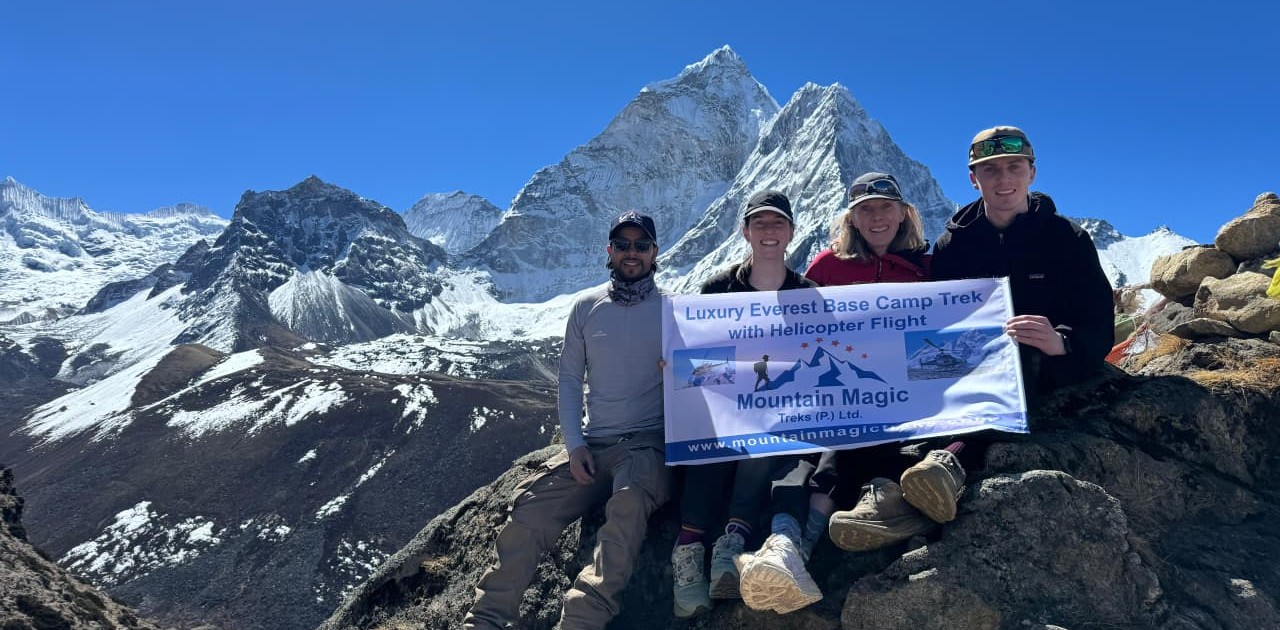
An Everest trip is not just about reaching a famous place. It is about watching the landscape change as you climb, meeting people who live in the mountains, and learning how your body responds to a very different environment. Each day adds something new to the story.
The Everest Base Camp Trek with helicopter return gives travelers a chance to experience the trail on foot and finish the adventure from the air. Instead of spending several days walking back through the same valleys, the return can be completed by helicopter, subject to weather, visibility, and safe flight conditions.
Build Your Trek Around the Experience
A good Everest trip should not feel like a race between checkpoints.
The route is long enough that rushing can take away from the experience. Give yourself time to notice the scenery, talk with your guide, and enjoy the villages along the way.
Leave Space for Unplanned Moments
A mountain journey rarely follows a perfect script.
You may stop because a mountain view suddenly opens up. You may spend extra time at a monastery or talk with another traveler over tea.
These small moments are not delays. They are part of the trip.
Begin With the Character of Lukla
Lukla is where many Everest adventures begin.
The surroundings are greener than the high sections of the route, with hills, forests, rivers, and small settlements.
Get Comfortable With Your Gear
Use the first walking days to understand your backpack, shoes, and clothing.
If something feels uncomfortable, fix it early.
A small problem with your shoes can become a much bigger problem after several days of walking.
See Namche as a Turning Point
Namche Bazaar feels different from the smaller settlements below it.
The town is busy with trekkers and local activity, while steep mountain slopes surround it.
Give Acclimatization the Attention It Deserves
Rest days are not wasted days.
Your body needs time to adjust as you gain altitude. A short hike can keep you active, but pushing too hard defeats the purpose.
Use the time to rest, explore gently, eat well, and prepare for the next section.
Walk Through a Living Culture
The Everest trail passes through communities with strong Sherpa traditions.
Prayer flags, mani walls, monasteries, and prayer wheels are common sights.
Be Curious Without Being Intrusive
Learn from your guide about local customs.
If you photograph people, ask first. When entering religious places, follow the rules you are given.
Travel becomes more meaningful when you treat the place as a home rather than simply a backdrop.
Find a Different Rhythm in Tengboche
Tengboche is known for its monastery and mountain scenery.
The location gives trekkers a chance to slow down and enjoy a quieter side of the Khumbu region.
Put the Phone Away Sometimes
You do not need to document every minute.
Sit somewhere with a clear view and watch the clouds move around the peaks.
A few minutes of quiet can help you appreciate how far you have traveled.
Expect a Change Around Dingboche
The landscape becomes more open as you reach Dingboche.
Trees become less common, the air becomes thinner, and the mountains seem much closer.
Change Your Walking Habits
Do not judge your performance by your pace at lower elevations.
At altitude, slow walking is normal.
Take smaller steps, breathe steadily, and rest before you become completely exhausted.
If you feel seriously unwell, tell your guide immediately.
Protect Your Energy Above the Tree Line
The higher trail toward Lobuche and Gorakshep is more exposed and rocky.
There are fewer places to escape cold wind or changing weather.
Keep Important Items Close
Your daypack should give you quick access to water, snacks, sunscreen, sunglasses, gloves, and an extra warm layer.
There is no benefit in putting frequently used items at the bottom of your bag.
Simple organization can make long days much easier.
Make the Final Approach Count
Gorakshep is close to Everest Base Camp, but the final section can still feel demanding.
The altitude changes how your body handles even a moderate walk.
Break the Route Into Small Targets
Think about the next bend, resting point, or landmark rather than the whole distance.
Small goals make the final approach feel manageable.
When Base Camp finally appears, the effort of the previous days becomes easier to appreciate.
Give Base Camp More Than a Quick Visit
Reaching Everest Base Camp is the main goal for many trekkers.
It can be tempting to take a photograph and immediately think about leaving.
Look Back Before Moving On
Think about where you started.
You have crossed bridges, followed rivers, passed villages, and climbed through very different landscapes.
That complete journey is what gives Base Camp its meaning.
Add Another View From Kala Patthar
Kala Patthar reaches about 5,545 meters and is famous for its broad mountain views.
The climb is demanding because of the elevation, especially during an early morning start.
Dress for the Waiting Time
Standing still in the cold can feel worse than walking.
Wear suitable layers and protect your hands, head, and face.
Move slowly and focus on the landscape rather than trying to rush to the top.
Finish Differently With a Helicopter
The biggest change comes after the trekking section.
The Everest Base Camp Trek with helicopter return lets travelers replace the long return walk with a helicopter journey, when conditions allow.
See Familiar Places From Above
The aerial perspective can completely change your understanding of the route.
The trails you once found tiring become thin lines across huge slopes. Villages look tiny between mountains, while valleys and glaciers show their full scale.
You finally see the landscape as one connected system.
Treat Weather as Part of Planning
Mountain flights are not controlled by your itinerary.
Clouds, wind, visibility, and other conditions can affect helicopter operations.
Keep Your Schedule Flexible
Do not arrange an important connecting flight too close to your expected arrival.
Extra time may feel unnecessary when everything is going well, but it becomes extremely valuable when weather causes a delay.
Travel Light and Travel Responsibly
A heavy bag can make every uphill section harder.
At the same time, leaving important gear behind is a poor trade.
Focus on Useful Items
Carry practical clothing, water, personal medicine, sun protection, and basic trail supplies.
Also protect the environment.
Carry your waste properly, avoid damaging local structures, and respect the communities along the route.
Final Thoughts
The Everest Base Camp Trek with helicopter return offers more than a shortcut home. It creates a journey with two distinct experiences: the close, slow view of the Himalayas from the trail and the wide perspective from a helicopter.
You experience Lukla, Namche, Tengboche, Dingboche, Lobuche, and Gorakshep while gradually entering the high mountain world. You see local culture, changing landscapes, glaciers, and enormous peaks before reaching Everest Base Camp.
The helicopter then changes the final chapter.
For travelers who want to spend their limited vacation time wisely, this combination can be a practical choice. But convenience does not remove the need for preparation. Train beforehand, respect acclimatization, pack carefully, listen to your body, and allow flexibility for weather.
The smartest way to approach Everest is not to chase the finish line. Experience the route, protect your energy, and let every part of the journey earn its place in your memory.
Frequently Asked Questions
Is the Everest Base Camp Trek with helicopter return a good option for busy travelers?
Yes. The helicopter return can reduce the number of days spent walking back while keeping the main trekking experience.
Is high-altitude preparation necessary?
Yes. Regular walking fitness helps, but gradual acclimatization is also important once you are in the mountains.
What should I do if the weather changes?
Follow your guide’s advice and remain flexible. Flight and trail plans may need to change for safety.
Why visit Kala Patthar?
It provides a wide Himalayan panorama and a different perspective of Everest.
Is the helicopter guaranteed to fly?
No. Operations depend on suitable weather and safe flying conditions.