Neuromorphic Computing: The Future of Brain-Inspired Artificial Intelligence
Introduction
The demand for faster, smarter, and more energy-efficient computing systems has increased dramatically as Artificial Intelligence (AI), robotics, autonomous vehicles, and the Internet of Things (IoT) continue to evolve. Traditional computer architectures have delivered remarkable performance over the past several decades, but they also face limitations when processing complex AI workloads that require massive computational power and energy consumption. As researchers search for more efficient alternatives, one of the most promising innovations is Neuromorphic Computing.
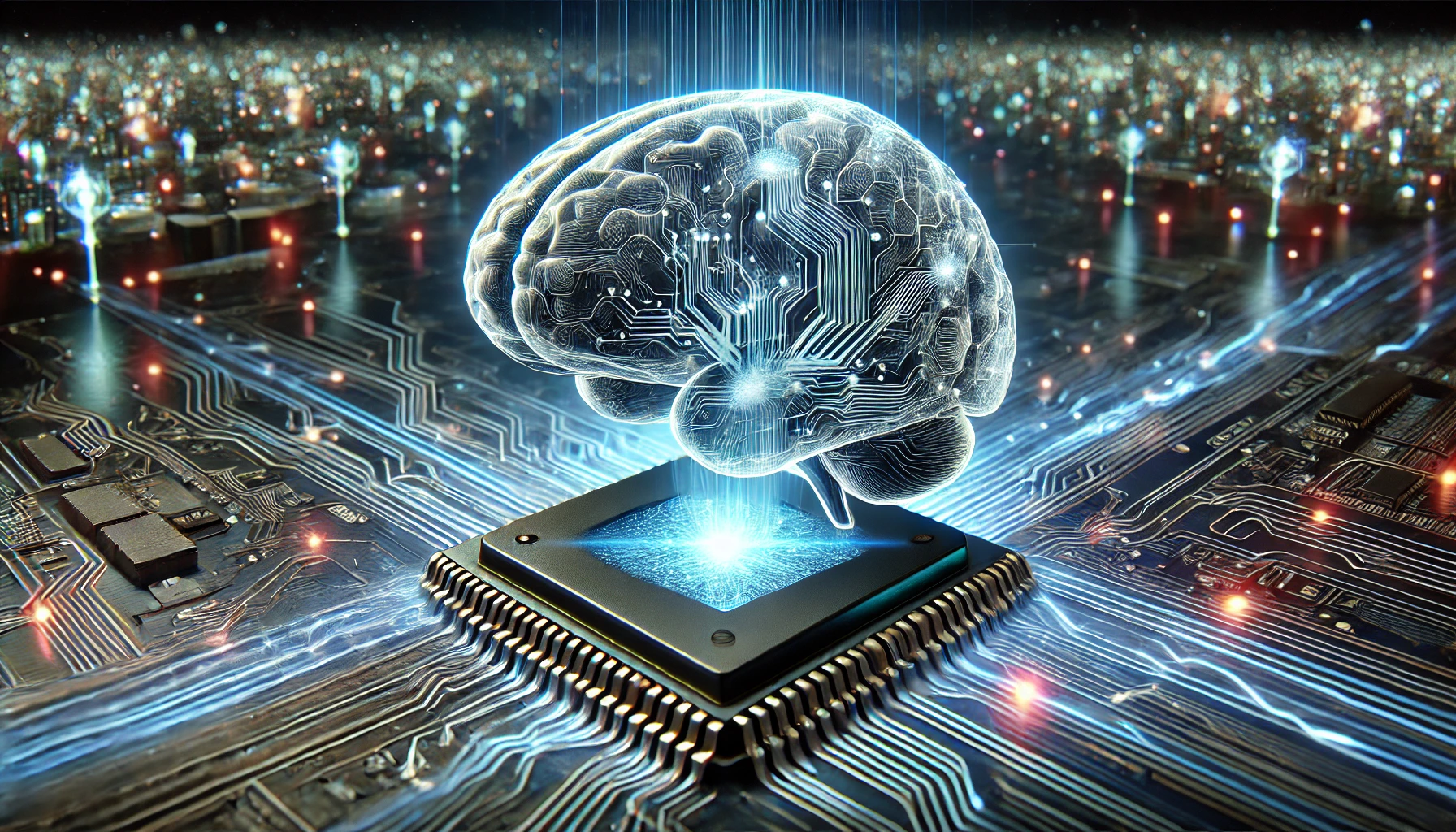
Neuromorphic Computing is a revolutionary approach that designs computer hardware based on the structure and functioning of the human brain. Instead of processing information using conventional processors, neuromorphic systems mimic biological neurons and synapses, allowing computers to learn, adapt, and process information in a highly efficient manner. This brain-inspired architecture has the potential to transform Artificial Intelligence by enabling machines to perform intelligent tasks with significantly lower energy consumption and faster decision-making. As scientific research progresses, Neuromorphic Computing is expected to become a key technology driving the next generation of intelligent systems.
What Is Neuromorphic Computing?
Neuromorphic Computing is a computing architecture that imitates the way the human brain processes information. Unlike traditional computers that execute instructions sequentially through central processing units, neuromorphic systems consist of interconnected artificial neurons and synapses that communicate simultaneously through electrical signals. This parallel processing approach enables computers to analyze information more naturally while consuming far less energy than conventional hardware.
The objective of Neuromorphic Computing is not simply to make computers faster but to make them smarter, more adaptive, and capable of learning continuously from experience. By replicating certain characteristics of biological neural networks, neuromorphic systems can recognize patterns, interpret sensory information, and respond intelligently to changing environments with remarkable efficiency.
Researchers believe this technology could eventually overcome many limitations of current AI hardware while opening entirely new possibilities for intelligent computing applications.
How Neuromorphic Computing Works
Neuromorphic Computing operates using specialized chips designed to emulate the communication mechanisms found within the human nervous system. These chips contain large numbers of artificial neurons connected through programmable synapses that transmit electrical impulses known as spikes. Instead of continuously processing all available information, neuromorphic systems activate only the neurons required for specific tasks, greatly reducing unnecessary energy consumption.
Machine learning algorithms allow these artificial neural networks to strengthen or weaken connections between neurons based on experience, similar to how biological brains learn over time. Sensors such as cameras, microphones, and environmental detectors provide real-time information that neuromorphic systems process efficiently without relying on centralized computing resources.
Unlike traditional processors that separate memory and computation, neuromorphic architectures often integrate these functions more closely, reducing communication delays and improving overall performance. This design enables rapid decision-making while maintaining exceptional energy efficiency.
Core Technologies Behind Neuromorphic Computing
Neuromorphic Computing combines multiple advanced technologies to create brain-inspired computing systems. Artificial Intelligence provides intelligent learning algorithms capable of recognizing patterns and making predictions. Machine learning enables systems to improve continuously through experience without requiring complete reprogramming.
Specialized neuromorphic processors contain millions of artificial neurons and programmable synapses that perform parallel information processing. Memristors and other advanced electronic components are being developed to simulate the adaptive behavior of biological synapses while reducing power consumption. Edge computing allows neuromorphic devices to perform intelligent processing directly on local hardware, minimizing communication delays and improving privacy.
Researchers are also exploring the integration of neuromorphic chips with robotics, computer vision, natural language processing, and autonomous systems to create intelligent machines capable of operating efficiently in complex real-world environments.
Applications Across Different Industries
Neuromorphic Computing has the potential to transform numerous industries through highly efficient Artificial Intelligence processing. In healthcare, neuromorphic systems can analyze medical images, monitor patient conditions, and assist physicians in diagnosing diseases more quickly while consuming significantly less energy than conventional AI hardware. Wearable medical devices powered by neuromorphic chips may continuously monitor health conditions without requiring frequent battery charging.
Autonomous vehicles are another important application. Self-driving cars generate enormous amounts of sensory information that must be processed instantly to ensure safe navigation. Neuromorphic processors enable rapid recognition of pedestrians, traffic signs, road conditions, and obstacles while maintaining low energy consumption, making them highly suitable for autonomous transportation.
Industrial automation also benefits from neuromorphic technology. Intelligent robots equipped with brain-inspired processors can identify manufacturing defects, optimize production processes, and adapt to changing working environments without requiring extensive computational infrastructure. Smart factories may eventually rely on neuromorphic systems to coordinate autonomous machines with exceptional efficiency.
Consumer electronics are expected to become more intelligent through neuromorphic processors integrated into smartphones, wearable devices, drones, and smart home systems. These devices will perform advanced Artificial Intelligence tasks locally, improving speed, privacy, and battery life.
Benefits of Neuromorphic Computing
One of the most significant advantages of Neuromorphic Computing is extraordinary energy efficiency. Because artificial neurons activate only when necessary, neuromorphic systems consume far less electricity than traditional processors performing similar Artificial Intelligence tasks. This makes them ideal for battery-powered devices and large-scale intelligent systems.
Another important benefit is real-time learning. Neuromorphic architectures can continuously adapt to new information without requiring complete retraining, enabling more flexible and intelligent decision-making. Their parallel processing capabilities also allow rapid analysis of complex sensory information, improving performance in applications such as robotics, computer vision, and speech recognition.
Neuromorphic systems are highly scalable and capable of supporting increasingly sophisticated Artificial Intelligence models without proportional increases in power consumption. This combination of speed, adaptability, and efficiency positions Neuromorphic Computing as a promising solution for future intelligent technologies.
Challenges and Limitations
Despite its enormous potential, Neuromorphic Computing remains an emerging technology facing several technical challenges. Designing hardware that accurately reproduces the behavior of biological neurons and synapses is an extremely complex engineering task requiring interdisciplinary collaboration among computer scientists, neuroscientists, and electrical engineers.
Developing software optimized for neuromorphic architectures also presents significant challenges because traditional programming methods are not directly compatible with brain-inspired giới thiệu 98win. Researchers continue creating specialized programming frameworks and machine learning algorithms that fully utilize the capabilities of neuromorphic processors.
Commercial adoption remains limited due to high development costs and relatively immature hardware ecosystems. Standardization across manufacturers has not yet been fully established, making widespread deployment more difficult. Continued investment in research and infrastructure will be essential for accelerating commercialization.
Future of Neuromorphic Computing
The future of Neuromorphic Computing appears highly promising as Artificial Intelligence, neuroscience, semiconductor 98win, robotics, and quantum computing continue advancing. Future intelligent robots may rely on neuromorphic processors to interact naturally with humans while learning continuously from their surroundings. Smart cities could use neuromorphic systems to manage transportation networks, energy distribution, environmental monitoring, and emergency response with exceptional efficiency.
Healthcare may experience significant improvements through intelligent medical devices capable of detecting diseases earlier while operating continuously with minimal energy requirements. Space exploration missions could benefit from autonomous spacecraft equipped with brain-inspired processors capable of making complex decisions independently during long-duration missions.
Consumer technology is also expected to evolve as smartphones, wearable devices, augmented reality systems, and smart appliances integrate neuromorphic chips that deliver faster, more intelligent, and energy-efficient experiences. As research continues, Neuromorphic Computing may fundamentally redefine the architecture of future computing systems.
Conclusion
Neuromorphic Computing represents one of the most innovative directions in modern computer science by drawing inspiration from the remarkable efficiency of the human brain. Through specialized hardware that mimics biological neurons and synapses, this technology offers significant improvements in Artificial Intelligence performance, energy efficiency, adaptability, and real-time learning.
Although technical challenges involving hardware development, software optimization, and commercialization remain, rapid scientific progress continues to move Neuromorphic Computing closer to widespread adoption. As industries increasingly demand intelligent systems capable of processing enormous volumes of information with minimal energy consumption, Neuromorphic Computing is expected to become a cornerstone of next-generation Artificial Intelligence, robotics, autonomous systems, and future digital innovation.