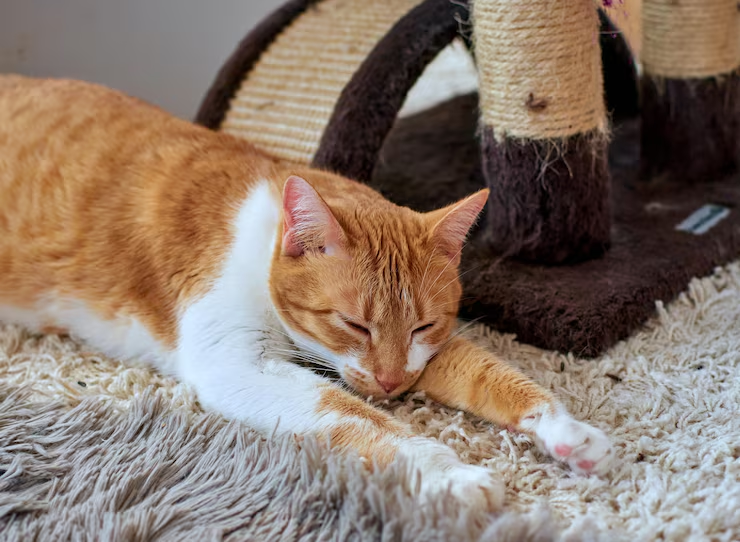
Cat Toys for Bored Indoor Cats: Easy Ways to Prevent Destructive Behavior
Overview:
Indoor cats live safe, comfortable lives but comfort without stimulation can quickly turn into boredom. When cats don’t have enough mental or physical outlets, they often express frustration through destructive behaviors like scratching furniture, knocking items off shelves, excessive meowing, or even aggression.
The good news? The right cat toys can make a dramatic difference.
In this guide, we’ll explore why boredom affects indoor cats so strongly, how toys for cats help prevent destructive behavior, and how to choose the best cat toys and accessories to keep your feline happy, healthy, and entertained every day.
Why Indoor Cats Get Bored So Easily
Cats are natural hunters. In the wild, they spend much of their day stalking, chasing, and problem-solving. Indoor cats, however, don’t get these instinctive challenges unless we provide them.
Common Signs of Boredom in Indoor Cats
- Scratching furniture or walls
- Chewing cords, plants, or household items
- Nighttime zoomies or vocalizing
- Overeating or loss of interest in food
- Aggressive play or biting
Boredom isn’t just annoying, it can impact your cat’s mental health, weight, and overall quality of life.
How Cat Toys Help Prevent Destructive Behavior
Redirecting Energy in a Positive Way
Cats that don’t burn energy will find their own outlets, often at your expense. Interactive and movement-based cat toys give them:
- A healthy way to release pent-up energy
- An alternative to scratching furniture
- Structured play that mimics hunting
A tired cat is far less likely to be destructive.
Mental Stimulation Reduces Stress
Boredom often leads to anxiety. Puzzle toys, treat-dispensing toys, and problem-solving games help:
- Reduce stress and frustration
- Keep the brain active
- Improve confidence in shy or anxious cats
Mental engagement is just as important as physical exercise.
Types of Cat Toys Every Indoor Cat Needs
Interactive Cat Toys (Best for Bonding)
Interactive toys require your involvement and are some of the best cat toys for preventing boredom.
Examples include:
- Wand toys with feathers or ribbons
- Laser pointers (used safely)
- Teaser toys that mimic prey movement
These toys help recreate the hunt → chase → catch cycle cats crave.
Best for:
High-energy cats, kittens, and strengthening the human–cat bond
Solo Play Toys for Independent Cats
Not every cat wants constant interaction, especially when you’re at work. Solo-play toys for cats allow independent entertainment.
Popular options:
- Balls and rolling toys
- Track toys with enclosed balls
- Motion-activated toys
These toys are essential for cats left alone during the day.
Puzzle and Treat-Dispensing Toys
These toys combine play with rewards, making them excellent for:
- Slowing fast eaters
- Encouraging problem-solving
- Preventing food-related boredom
They’re especially helpful for indoor cats prone to weight gain.
Catnip and Sensory Toys
Catnip toys stimulate play, rolling, and excitement in many cats. Sensory toys may include:
- Crinkly textures
- Different fabrics
- Mild scents
Rotate catnip toys regularly to keep them effective.
Choosing the Best Cat Toys for Indoor Cats
Match Toys to Your Cat’s Personality
No two cats play the same way.
- High-energy cats: Wand toys, chase toys
- Shy cats: Smaller, quieter toys
- Lazy cats: Interactive toys that move on their own
- Smart cats: Puzzle toys
The best cat toys are the ones your cat actually enjoys.
Consider Your Cat’s Age
- Kittens: Lightweight toys, frequent play sessions
- Adult cats: Balanced mix of interactive and solo toys
- Senior cats: Gentle toys, slower movements, soft textures
Adjust toy selection as your cat ages.
Safety and Durability Matter
When choosing cat toys and accessories, always check:
- Non-toxic materials
- No small detachable parts
- Durable stitching and construction
Replace damaged toys immediately to avoid choking hazards.
Cat Toys and Accessories That Enhance Playtime
Toys work even better when paired with the right accessories.
Scratching Posts and Pads
Scratching is natural, not bad behavior. Scratching accessories help:
- Protect furniture
- Stretch muscles
- Relieve stress
Place them near sleeping areas or favorite spots.
Cat Tunnels and Hideouts
Tunnels provide:
- A sense of security
- Chase-and-hide play opportunities
- Great enrichment for multi-cat homes
They pair perfectly with rolling or wand toys.
Vertical Space and Climbing Structures
Cats love height. Combining toys with vertical space:
- Increases exercise
- Reduces boredom
- Helps cats feel safe and confident
How to Rotate Cat Toys to Keep Them Interesting
Cats get bored with the same toys quickly. Rotation keeps play exciting.
Toy Rotation Tips
- Keep 3–5 toys out at a time
- Store others out of sight
- Swap toys weekly
- Reintroduce old toys after a break
This simple habit makes old toys feel brand new again.
Simple Play Routines for Busy Cat Parents
You don’t need hours of playtime to make a difference.
Recommended Play Schedule
- Morning: 5–10 minutes (burn energy before the day starts)
- Evening: 10–15 minutes (prevent nighttime mischief)
Short, consistent sessions are better than long, irregular ones.
How Cat Toys Improve Long-Term Behavior and Health
Consistent play with the right toys for cats helps:
- Maintain healthy weight
- Reduce anxiety and aggression
- Improve sleep patterns
- Strengthen trust between cat and owner
Over time, destructive behaviors often disappear completely.
Are Expensive Cat Toys Always Better?
Not necessarily. The best cat toys are:
- Engaging
- Safe
- Matched to your cat’s preferences
Many cats prefer simple toys like strings, balls, or crinkly items over expensive gadgets.
Common Mistakes to Avoid When Buying Cat Toys
- Buying too many toys at once
- Ignoring your cat’s play style
- Leaving unsafe toys unsupervised
- Not rotating toys
Smart selection beats quantity every time.
Conclusion
Boredom is one of the biggest challenges for indoor cats but it’s also one of the easiest to fix. The right cat toys and accessories provide mental stimulation, physical exercise, and emotional satisfaction, all while preventing destructive behavior.
By choosing toys that match your cat’s personality, rotating them regularly, and building simple daily play routines, you can transform your indoor cat’s behavior and your home.
Happy cats play. And playful cats are healthier, calmer, and far less destructive.
Frequently Asked Questions
How do I know if my indoor cat is unhappy?
Signs include excessive scratching, aggression, nighttime activity, or constant attention-seeking.
What are the best toys for indoor cats?
The best cat toys include interactive wand toys, puzzle feeders, and rotating solo-play toys.
How long should I play with my indoor cat per day?
Most indoor cats benefit from two short play sessions per day.
Are automatic cat toys good for cats?
Yes, when made from pet-safe materials and used with supervision.
How do I stop my cat’s destructive behavior?
You can stop your cat’s destructive behavior by providing the right toys for cats, which help redirect excess energy, reduce stress, and gradually minimize destructive habits.