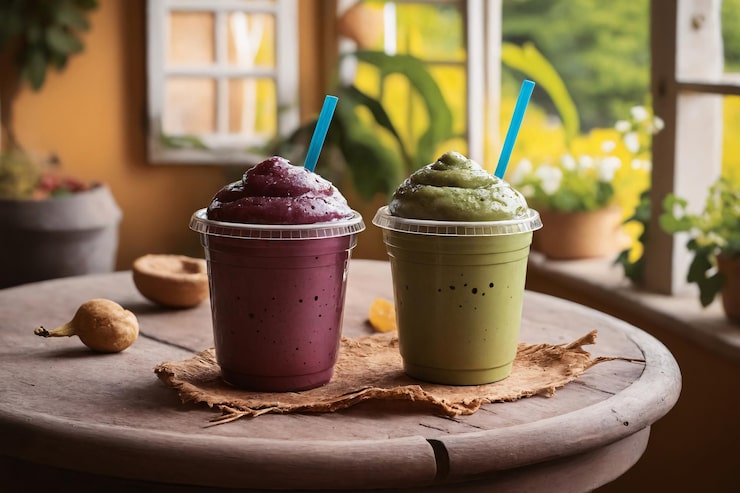
Ube vs matcha: what really sets them apart?
Bright purple or deep green sometimes a colour alone can spark curiosity. Ube and matcha often appear side by side in cafés, dessert bars and on social feeds, yet they come from entirely different worlds. If you are wondering whether they taste similar, which one is healthier, or how they fit into your diet, you are not alone. Many people search for clear, factual comparisons before trying something new. This piece breaks down the real differences between ube and matcha, from botanical origin to nutritional profile and culinary versatility. Expect precise explanations, practical insight and no fluff. By the end, you will know exactly what separates these two trending ingredients and which one suits your preferences, lifestyle and palate.
Origin and botanical differences
The most fundamental distinction between ube vs matcha lies in their origin. Ube is a purple yam scientifically known as Dioscorea alata. It is a starchy tuber widely grown in Southeast Asia, particularly in the Philippines, where it plays a central role in traditional desserts. Its vibrant violet hue comes from natural anthocyanin pigments, the same family of antioxidants found in blueberries and red cabbage. Ube is harvested from the ground, cleaned, cooked, then mashed or processed into powder, paste or extract.
Matcha, by contrast, is a finely milled powder made from specially grown green tea leaves, typically from Japan. These leaves come from the Camellia sinensis plant. Farmers shade the tea plants several weeks before harvest, which increases chlorophyll production and boosts amino acid levels. After picking, the leaves are steamed, dried and stone-ground into an ultra-fine powder. The entire leaf is consumed when drinking matcha, unlike standard green tea where leaves are steeped and discarded.
In practical terms, one ingredient is a root vegetable rich in carbohydrates while the other is a concentrated tea leaf delivering caffeine and plant compounds. Comparing them is like placing a sweet potato beside a ceremonial tea bowl. They may share visual drama, yet their agricultural roots differ completely.
Flavour profile and texture experience
Taste often drives the question around ube vs matcha differences. Ube delivers a naturally sweet, mildly nutty flavour with subtle vanilla-like notes. Its texture, once cooked and mashed, is smooth and creamy. When turned into powder, it blends easily into batters and beverages, adding colour and a gentle sweetness rather than sharp intensity. Matcha presents an entirely different sensory profile. High-quality matcha offers vegetal, grassy and slightly umami notes. Some describe it as creamy when whisked properly, though it carries a mild bitterness that balances sweetness in lattes or desserts. Lower-grade matcha can taste noticeably bitter if not prepared carefully.
Where ube behaves like a dessert ingredient by default, matcha behaves like a flavour accent. In a latte, matcha provides a structured, almost savoury backbone. In cakes or pastries, ube tends to enhance sweetness and visual appeal without overpowering other ingredients. Texture also separates them. Ube paste thickens mixtures naturally due to its starch content. Matcha powder remains light and fine, dissolving into liquids yet contributing minimal thickness. If you are choosing based on flavour expectations alone, consider whether you prefer gentle sweetness or bold green tea complexity.
Nutritional value and health considerations
Looking at nutritional differences between ube and matcha clarifies their functional roles. Ube is primarily a source of carbohydrates. It contains dietary fibre, small amounts of vitamin C, potassium and antioxidant anthocyanins. Because it is a root vegetable, it contributes energy in the form of starch. Its antioxidant content may support general wellbeing, though it is not a stimulant. Matcha stands out for its concentration of catechins, particularly EGCG, along with L-theanine and natural caffeine. This combination supports alertness with a calmer focus compared to coffee. The shading process before harvest increases chlorophyll and amino acids, contributing to both its colour and its biochemical profile. From a macronutrient perspective:
-
Carbohydrates
-
Fibre
-
Catechins
-
Caffeine
-
Anthocyanins
Ube contains virtually no caffeine. Matcha contains enough caffeine to influence energy levels, typically around 60–70 mg per serving depending on preparation. Someone sensitive to stimulants may lean toward ube-based beverages, while someone seeking sustained focus might prefer matcha. Calorie-wise, plain matcha powder is very low in calories. Ube preparations vary significantly depending on added sugar, especially in commercial desserts. Always consider how the ingredient is prepared rather than the raw ingredient alone.
Culinary uses and versatility
When exploring how to use each ingredient in the kitchen, ube vs matcha applications reveal distinct strengths. Ube shines in baked goods, ice cream, cheesecakes and sweet spreads. Its vivid purple colour makes it visually striking without artificial dyes. Powdered forms, such as those available through reputable suppliers including organic ube, allow home cooks to experiment with smoothies, pancakes and frostings while maintaining consistent flavour and colour.
Matcha integrates seamlessly into beverages. Traditional tea ceremonies use ceremonial-grade matcha whisked with hot water. In modern settings, it appears in lattes, protein shakes and desserts like tiramisu or cookies. Culinary-grade matcha withstands baking temperatures better and pairs well with white chocolate or coconut. In savoury contexts, matcha occasionally appears in noodles or seasoning blends. Ube rarely moves beyond sweet preparations because of its inherent flavour profile. If your goal is versatility across both drinks and dishes, matcha may offer broader flexibility. If visual appeal and dessert enhancement matter most, ube becomes the obvious candidate.
Best uses for ube
Ube performs best in recipes where colour and texture matter. Its natural starch creates body in custards and fillings. Bakers appreciate how it blends into sponge cakes without requiring artificial colouring. Because its sweetness remains mild, it does not overwhelm delicate flavours like coconut or condensed milk. Texture stability also makes ube suitable for chilled desserts. It holds shape in layered pastries and adds moisture to baked goods. For households experimenting with plant-based desserts, ube provides both structure and visual contrast.
Best uses for matcha
Matcha thrives in beverages and recipes that benefit from bitterness balance. In a latte, it creates a creamy foam when whisked correctly. In baking, it pairs well with sweet ingredients that soften its vegetal notes. Precision matters more with matcha; too much powder results in an overly strong taste. Storage also plays a role. Matcha should be kept airtight and away from light to preserve freshness. Ube powder remains more stable over time due to its dried root composition.
Which one suits your lifestyle?
Choosing between ube or matcha depends on what you value most. If you seek a caffeine boost with antioxidant benefits and enjoy earthy flavours, matcha aligns with that preference. If you prefer caffeine-free sweetness and striking natural colour, ube may feel more suitable. Think about timing. Morning productivity often pairs well with matcha’s gentle stimulation. Evening desserts suit ube since it does not interfere with sleep. Dietary needs also matter. Those managing carbohydrate intake may limit ube portions, while those avoiding stimulants may limit matcha. The comparison becomes clearer when framed around purpose rather than trend. One is a root vegetable turned dessert hero. The other is a centuries-old tea refined into powder form. Both hold cultural significance and culinary merit.
A balanced perspective on both ingredients
Ube and matcha may share vibrant colours and café popularity, yet their differences run deep. One offers natural sweetness and starch-based texture, the other delivers focused energy and tea complexity. Your choice ultimately reflects flavour preference, nutritional goals and how you plan to use the ingredient. Which profile fits your daily routine more naturally?